Why brands are moving budgets into clipping networks
The math on traditional influencer marketing stopped working. Here is what smart marketing teams figured out.

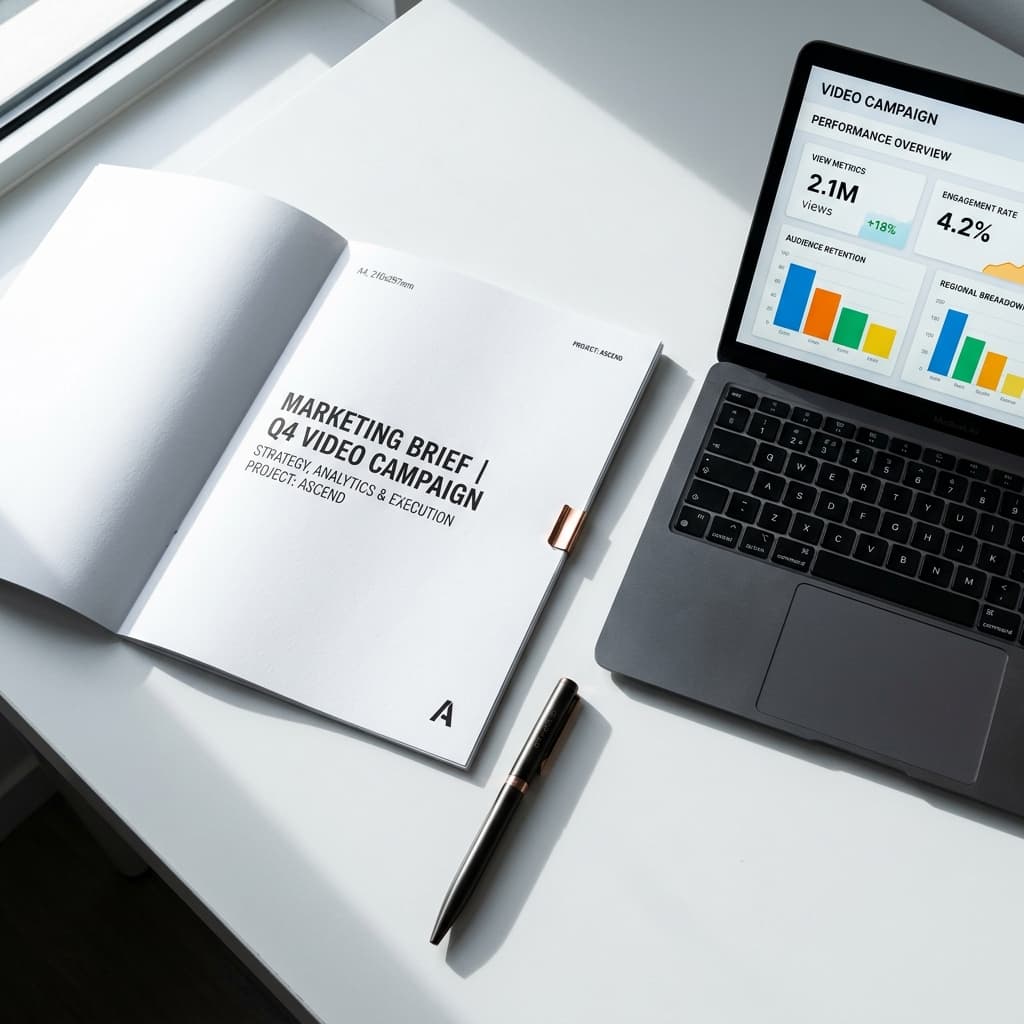
A marketing director at a mid-size label spent $40,000 on an influencer campaign last quarter. She got 1.2 million views, a CPM that worked out to around $33, and no real way to know how many of those views came from people who had never heard of the artist before.
Six weeks later, a clipping campaign on the same release produced 900,000 verified views at a CPM just under $0.80. She could see exactly which clips were driving streams. She could see which platforms were converting. And she paid for views that actually happened, not impressions on a media kit.
She is not moving all her budget into clipping. But she is moving more of it there every quarter. So are a lot of other brands.
The problem with influencer marketing at scale
Influencer marketing works. Nobody serious is arguing otherwise. A creator with genuine trust with their audience can move product in a way that a banner ad never will.
The problem is the economics at scale.
You pay for the creator's audience, their personal brand, and the production of their content. The rate reflects all of that. When it works, it works well. When it does not, you have spent a significant budget on content that lives on someone else's channel, in a format you do not fully control, with performance you are measuring in aggregate rather than individually.
To reach ten million people through influencers, you are negotiating with dozens of creators, managing relationships, approving content, and hoping the delivery matches the media kit. It is slow, expensive, and hard to attribute.
What clipping changes
A clipping network inverts the structure.
Instead of paying one creator a flat fee for their audience and their content, you are distributing your existing content across a network of independent accounts and paying for the verified views that result. The content is yours. The distribution is theirs.
For a brand with existing long-form content, this means:
The CPM difference alone is significant enough to shift budget decisions. Standard influencer rates run $5 to $30 per thousand views. Clipping campaigns on ClipConnect settle between $0.08 and $1.12. The cheapest influencer spend is still three to four times more expensive than the upper end of a clipping campaign.
What brands actually get
The pitch for clipping is not just cost. It is measurability.
Pay-per-verified-view means the brand pays for views that happened and were confirmed. There is no question of whether the audience actually saw the content. There is no inflated reach estimate. The invoice reflects real distribution.
This matters enormously for brands that have been burned by influencer campaigns where the numbers looked good and the attribution was unclear. When you pay on verified views, you know exactly what you bought.
It also means the brand can see which clips are working and which are not in real time. A clip that takes off on TikTok tells you something about which moment in your source content resonates. A clip that dies in the first 48 hours tells you something too. That data feeds back into content strategy in a way that a single influencer post cannot.
Where it fits in a media plan
Clipping is not a replacement for influencer marketing. It is a different tool for a different job.
Influencer marketing is about borrowing trust. When a creator you follow tells you something is worth your attention, you weight that differently than an ad. That trust premium is real and it has a price.
Clipping is about reach and distribution. It is about getting your best content in front of the largest number of people who have not seen it yet, at the lowest cost per verified view, with maximum measurability.
The brands using clipping most effectively treat it as the volume layer of their strategy. Influencers anchor campaigns with credibility. Clipping distributes the content at scale. The two work together better than either works alone.
What to bring to a clipping campaign
For brands running their first campaign, a few things determine how well it performs.
Source quality matters. Content with natural clippable moments, meaning strong hooks, clear payoffs, and moments that work out of context, gives a network of clippers more to work with. A 90-minute podcast episode with fifteen great moments will outperform a 10-minute promotional video with one.
Budget flexibility helps. Because the model is pay-per-view, setting a floor and a ceiling lets a campaign scale up when clips are working without requiring constant management decisions.
Speed beats perfection. Brands that approve clips quickly and let clippers find the moments rather than dictating them consistently get better results. The whole value of a distributed network is editorial diversity. Constrain it too tightly and you get a managed influencer campaign at influencer prices.
Key takeaways
FAQ
Do we need to already have long-form content?
Yes. Clipping works by distributing existing content. If your brand does not have long-form video, the first step is creating it. A founder podcast, a product deep-dive, or a series of interviews are all strong sources.
How do we protect our brand if we do not control the clips?
You are working with a network where you have set the source content and the campaign parameters. Clippers are extracting moments from your material, not creating their own narrative. You can set guidelines around what kinds of moments are approved for clipping.
How long does it take to see results?
Onboarding to a campaign takes about 48 hours. After that, clips start going out immediately. You will have real performance data within the first week.
What is the minimum budget to run a campaign?
Campaigns can be structured around a budget floor and ceiling rather than a fixed spend, so the entry point is flexible. The more important question is whether your source content has enough clippable material to give the network something to work with.
The brands moving budget into clipping are not doing it because it is new. They are doing it because the math is hard to argue with.