Clipping for podcasters and streamers: how one stream becomes 40 posts
You're already making the content. Clipping is how it stops dying inside a three-hour file nobody clicks.

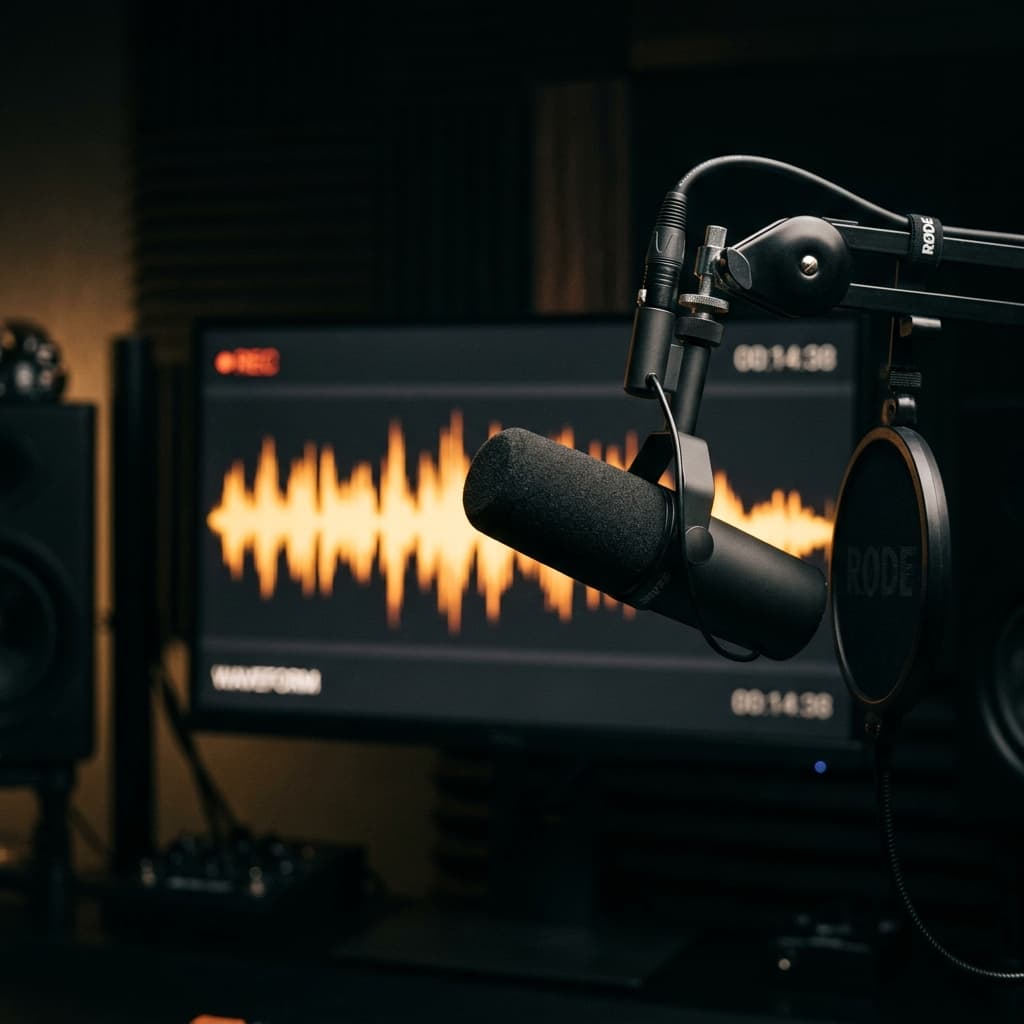
If you host a podcast or stream, you have a problem you might not have named yet. You're making more good content every week than anyone will ever see.
A weekly podcaster records something like 150 hours a year. A streamer who goes live four times a week blows past 800. Inside all those hours are the moments that would actually pull a new audience in: the story that went sideways, the take that started an argument, the clutch the chat still references. And almost none of them get pulled out.
The full episode is where content goes to be forgotten. Nobody discovers a three-hour stream by accident. They discover the 30-second slice of it, decide they like you, and then go find the long version. Clipping is how that slice gets made, and made a lot.
The discovery math is brutal
Here's the uncomfortable truth about long-form. It's terrible at finding new people.
To watch your podcast, someone has to already know you exist, already trust you enough to give you 90 minutes, and already be in a place where they can listen. That's three filters before they hit play. Most potential fans fail at least one.
Short-form flips every filter:
So the clip does the recruiting and the long-form does the relationship. One brings strangers in. The other turns them into regulars. You need both, and right now you're probably only making one.
Why your in-house team can't keep up
Maybe you have an editor who pulls a few clips per episode. That's good, and it's also nowhere near enough.
Do the arithmetic. If your editor makes four clips per episode and you publish weekly, that's roughly 200 clips a year out of 150 hours of source. You're surfacing a sliver, and worse, your editor has to guess which moments will hit. Nobody guesses well. The clip you're sure will pop does 3,000 views, and the throwaway moment you almost cut does 600,000.
One editor making four careful guesses is the wrong shape for a problem that rewards volume. You don't need four perfect bets. You need 40 cuts testing 40 different moments, because virality lives in the moments you wouldn't have picked.
That's the case for handing your content to a network instead of leaning on one overworked editor.
How the network model changes it
On ClipConnect, you upload the content you already made and a network of 120,000-plus independent clippers goes to work on it. One episode doesn't get four clips. It gets dozens, cut by people whose entire skill is finding the moment that travels and shaping it for the platform.
The economics are built for creators, not against them. It runs on pay-per-verified-view, settling on views that actually happened, with CPMs that land between $0.08 and $1.12 per thousand. You're not fronting a flat fee and hoping. You're paying for reach you can see.
And the clippers are motivated the same way you are. They earn on views, so they're hunting for the exact moments most likely to spread. Their incentive and yours point in the same direction, which is rarer in marketing than it should be.
Onboarding takes about 48 hours, so the gap between "I have a back catalog collecting dust" and "my best moments are getting clipped across TikTok, Reels, and Shorts" is short.
What this looks like for a podcaster
Say you've got a back catalog of 80 episodes. Right now, episodes one through 75 are functionally dead. They live on a podcast feed nobody scrolls back through.
To a clipping network, those 80 episodes aren't old. They're 80 episodes of untouched source material. A great moment from episode 12 is just as clippable today as the day you recorded it, because the audience on short-form never heard it. Your archive isn't a graveyard. It's inventory.
The same goes for a streamer with months of VODs. Every saved broadcast is raw footage waiting to be mined. The clutch from three weeks ago that your regulars loved? New audiences haven't seen it. It can recruit for you all over again.
A few things to get right
If you're a creator opening your content to clipping, set yourself up well:
Key takeaways
FAQ
Do I lose control of my content?
You're authorizing distribution, not handing over ownership. You still own everything. Clippers are spreading clips of content you've opted to share, which is the opposite of someone grabbing your video without permission.
Will clips cannibalize my full-episode views?
The pattern runs the other way. Clips bring new people who didn't know the long-form existed. A strong clip is the top of the funnel that feeds your full episodes, not a substitute for them.
What if a clip takes a moment out of context?
It's a fair worry, and it's why the editorial judgment of good clippers matters. The clips that perform are the ones that land cleanly, because a confusing or misleading clip doesn't travel well anyway. The incentive is toward clarity.
How is this different from just hiring an editor?
Scale and incentive. An editor makes a handful of clips and guesses at what works. A network makes dozens, each clipper paid on the views they generate, so the volume and the motivation both work in your favor.
Your last episode had a moment in it that could pull in 50,000 new listeners. It's sitting at minute 47 of a file almost nobody will scroll to. The only question is whether anyone's going to cut it out.